 Fil Caravan
Cameras & Instruments
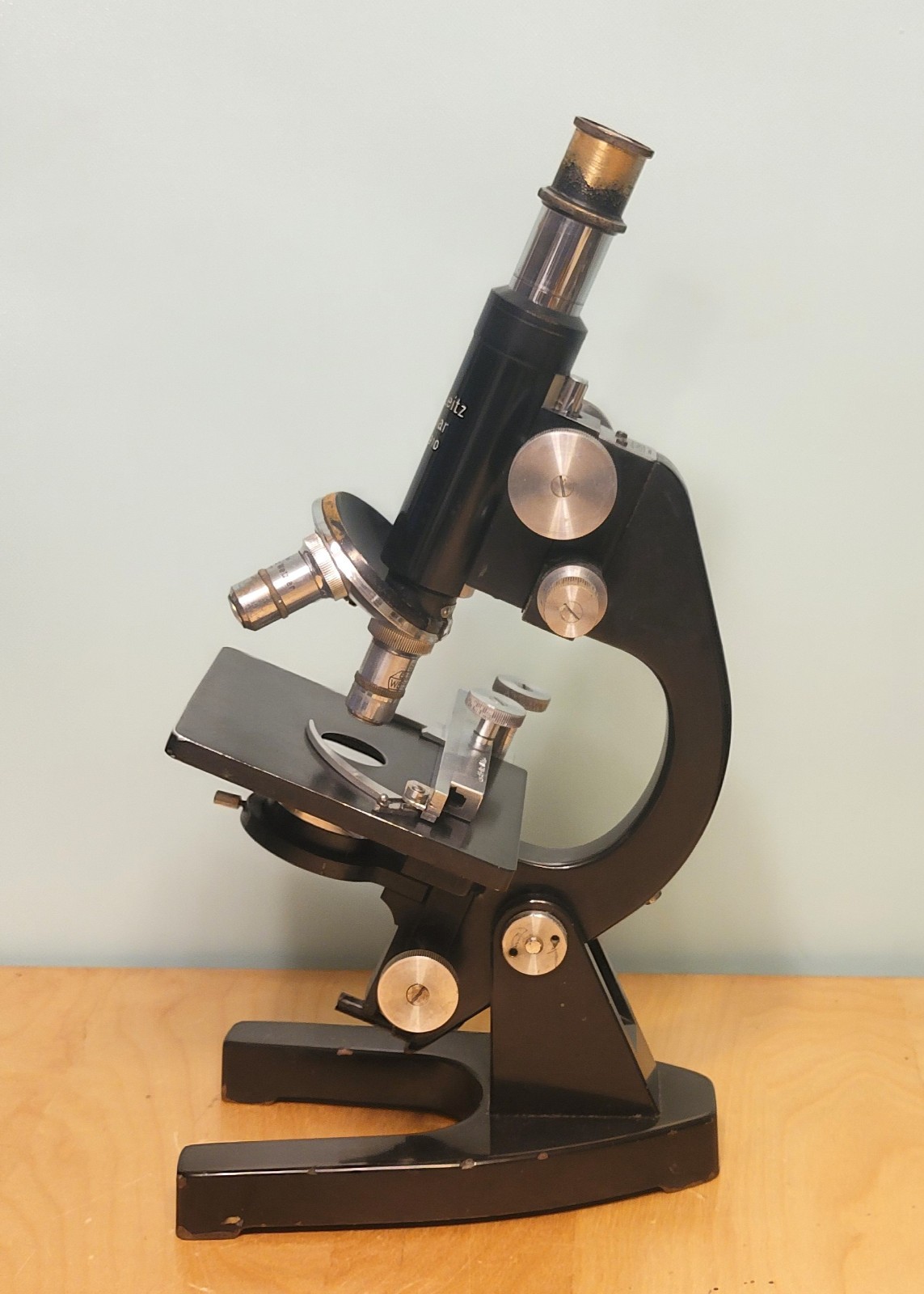
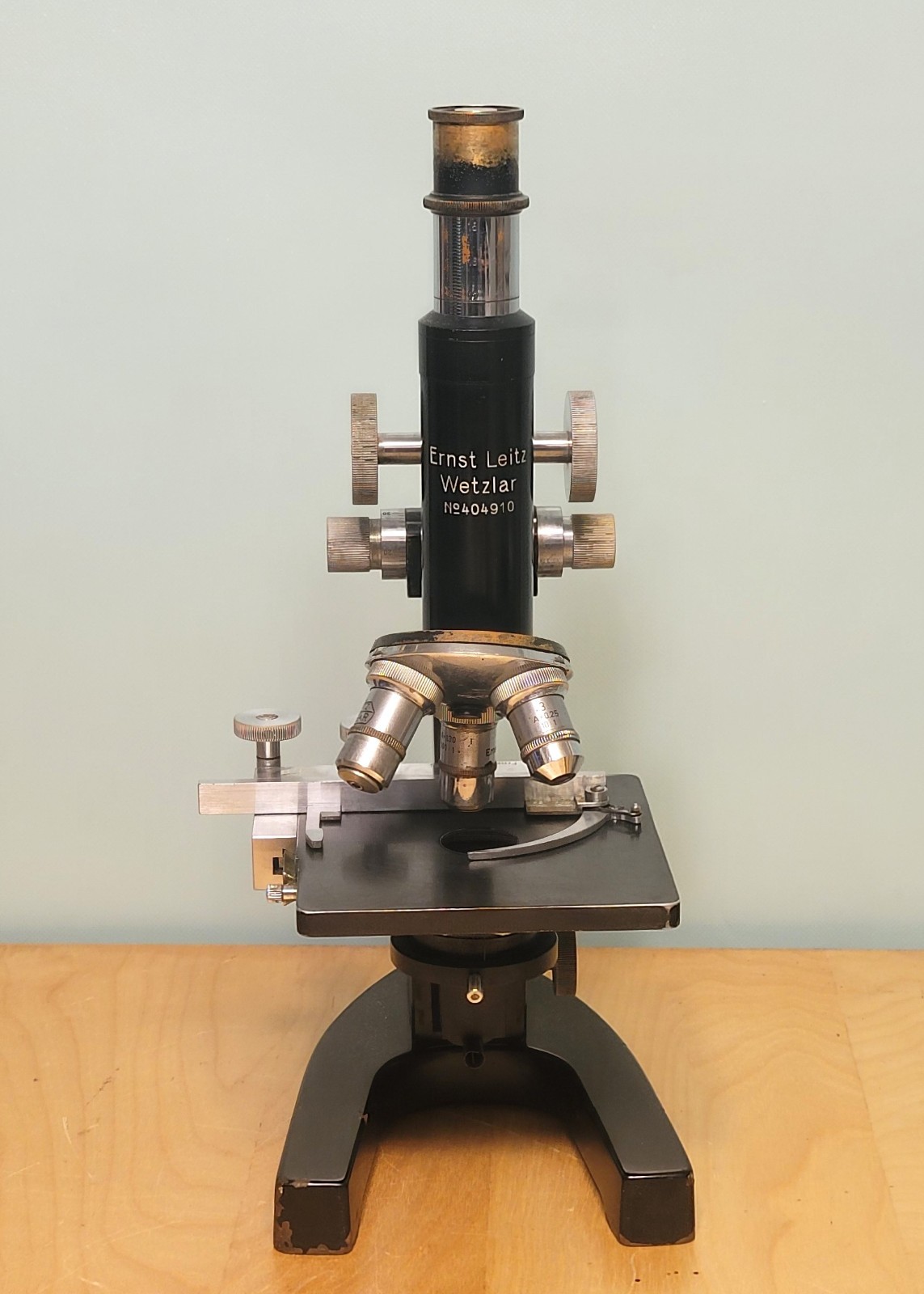
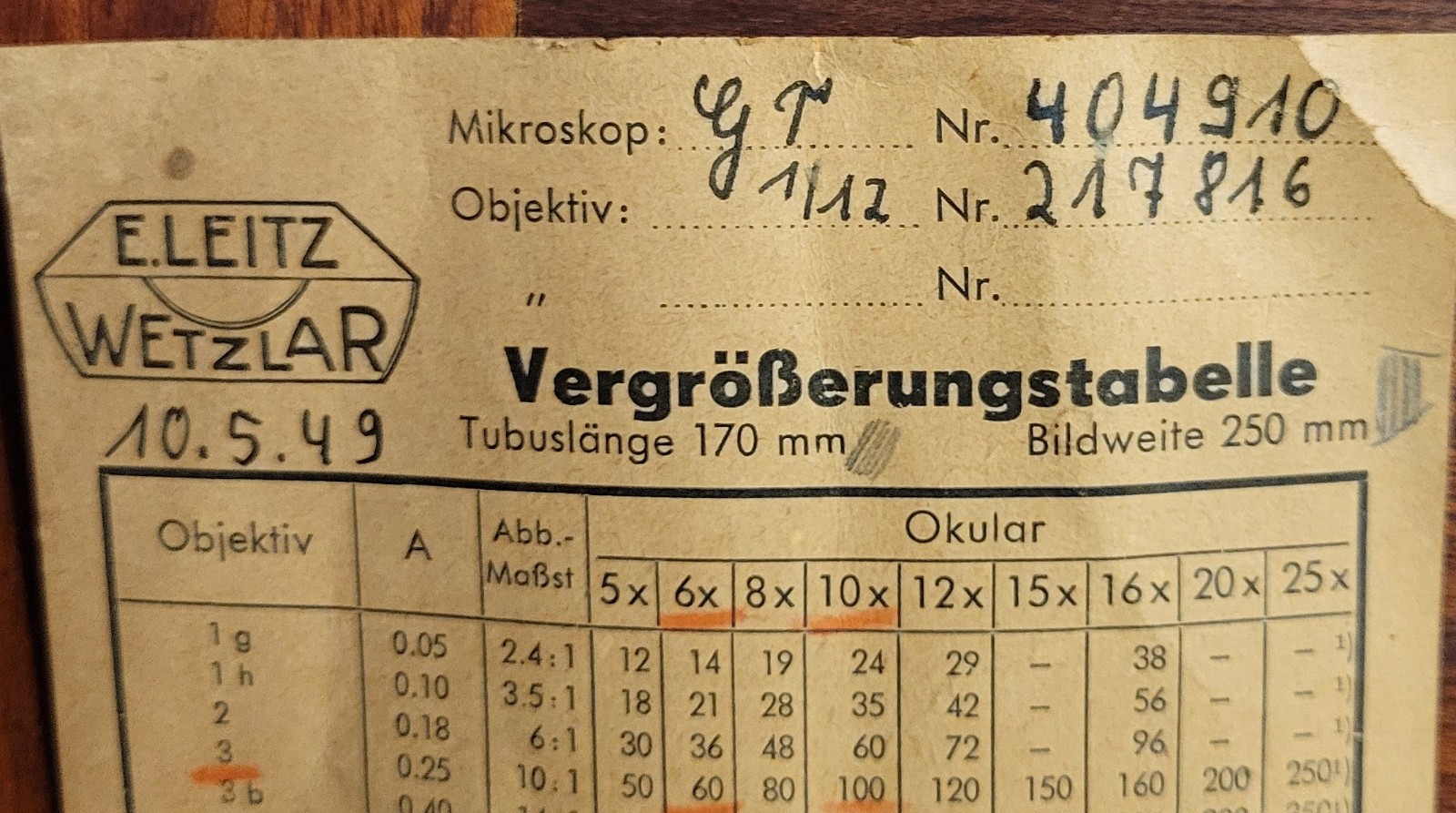
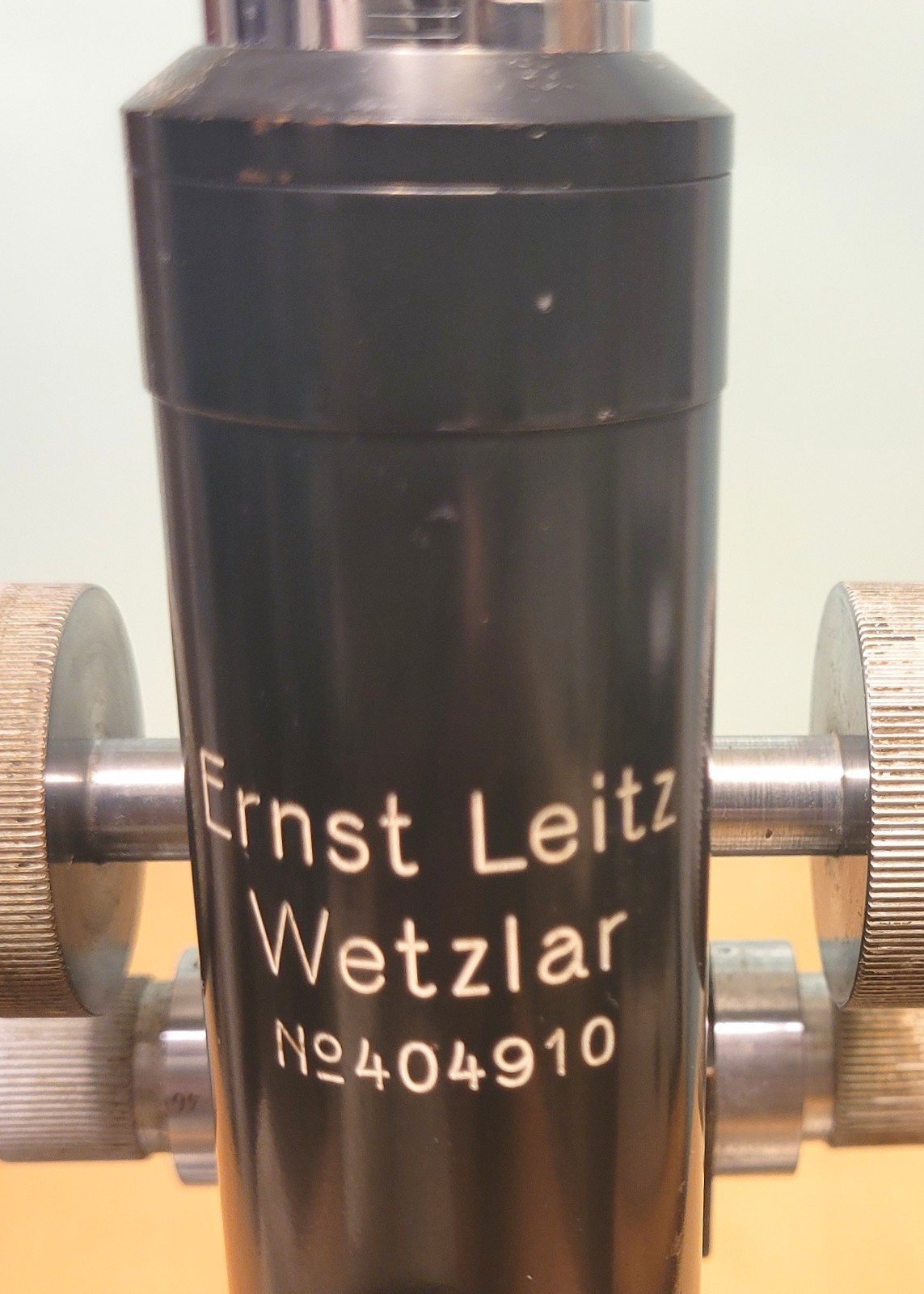
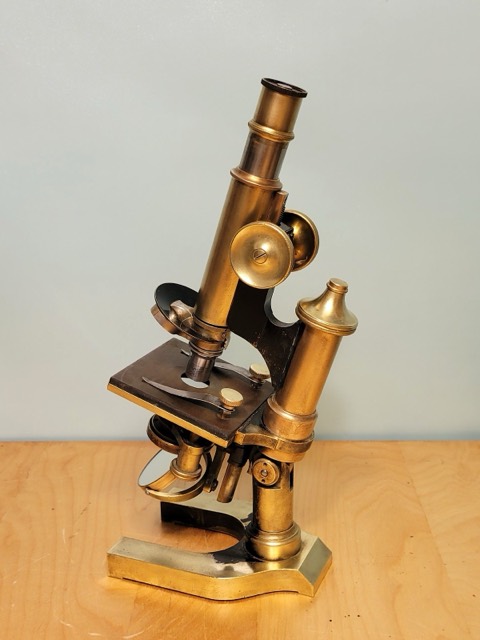
Ernst Leitz Wetzlar Model GT Microscope, No. 404910
Monocular laboratory microscope · Ernst Leitz Wetzlar, Germany · circa 1949
US $325.00 · or best offer
Description
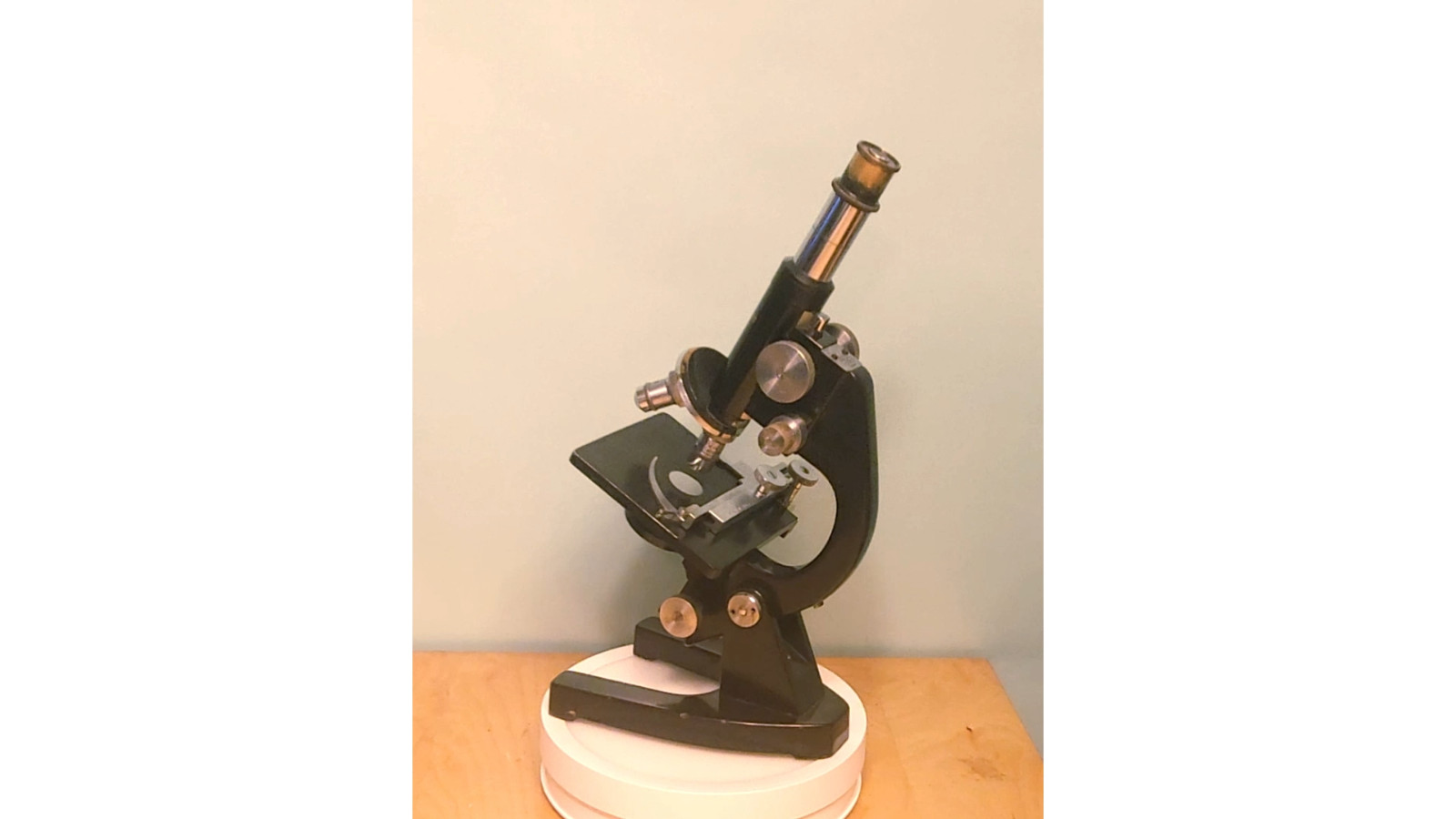
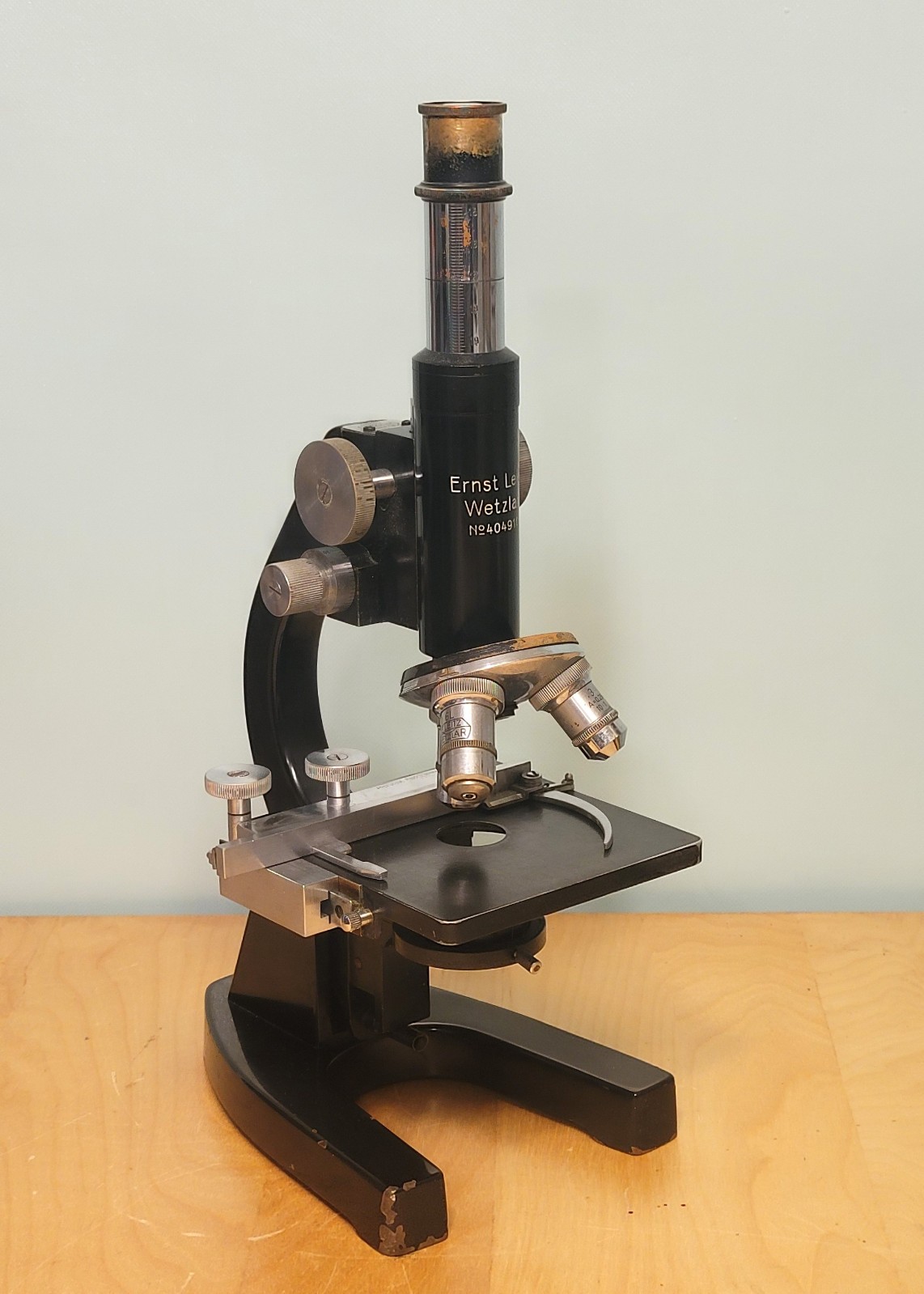
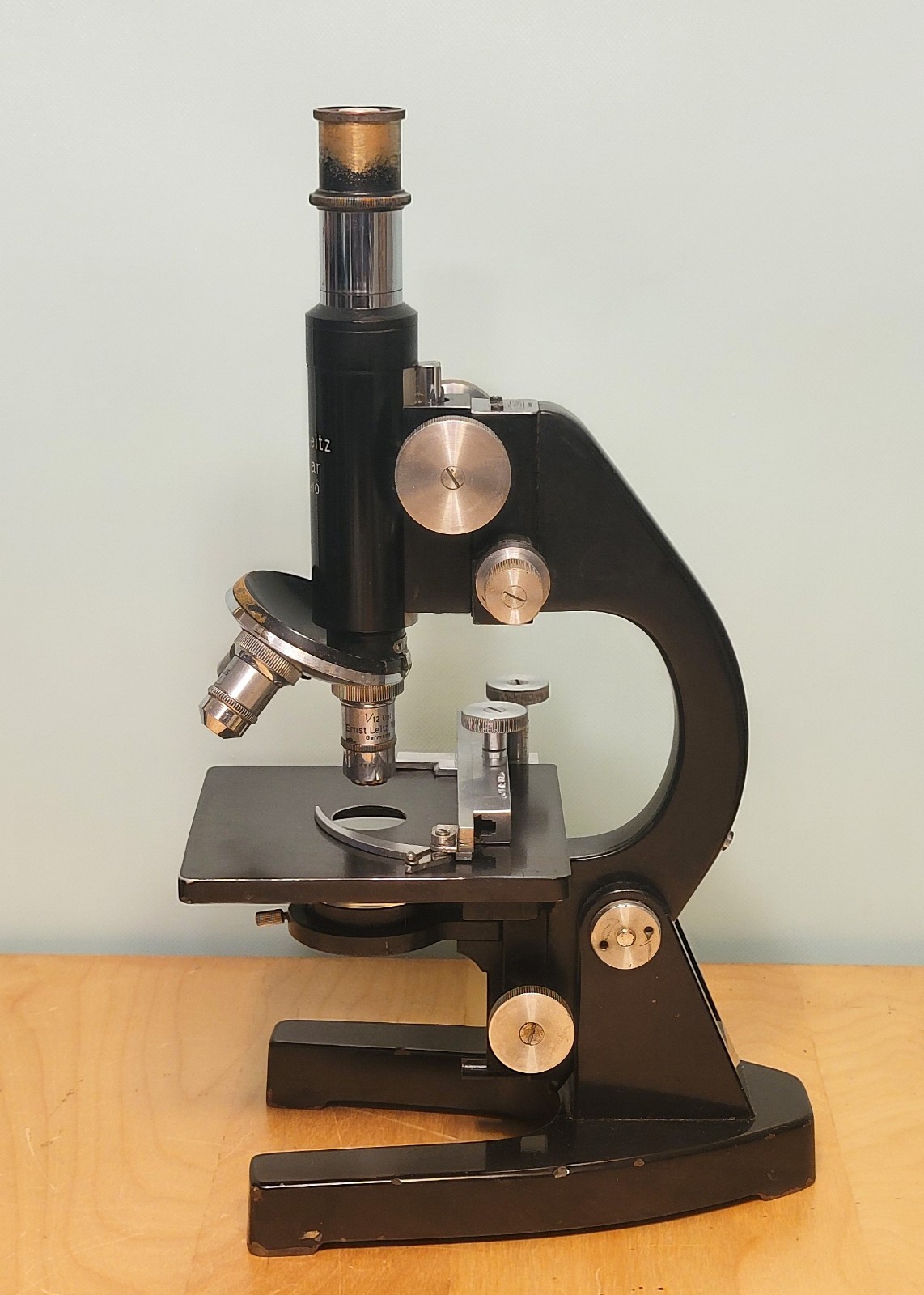
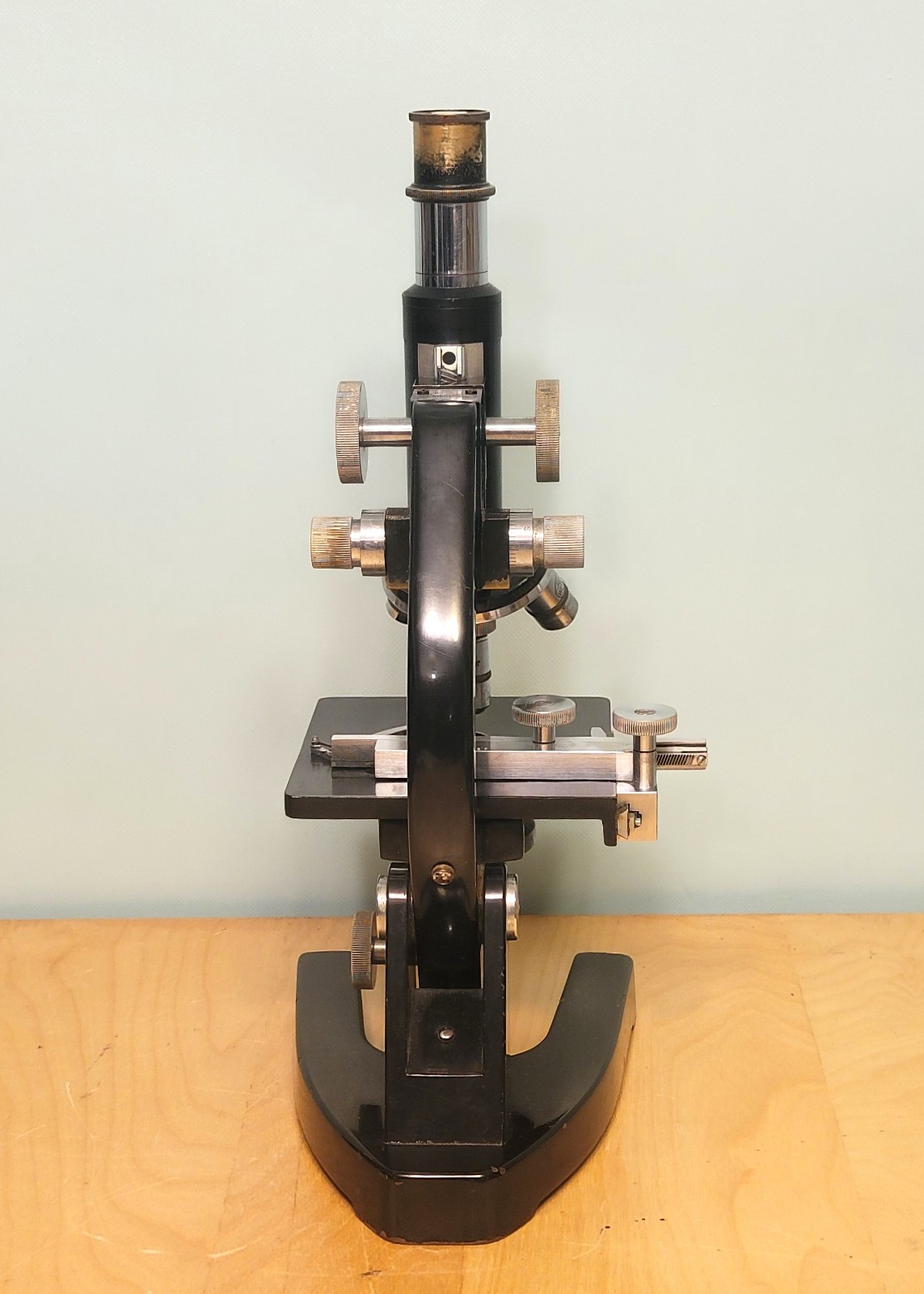
A postwar laboratory microscope by Ernst Leitz Wetzlar, made in Germany circa 1949 and carrying serial number 404910. Construction is solid metal finished in classic black enamel, with brass detailing and engraved manufacturer markings, traditional Leitz machining from the firm's early postwar production years.
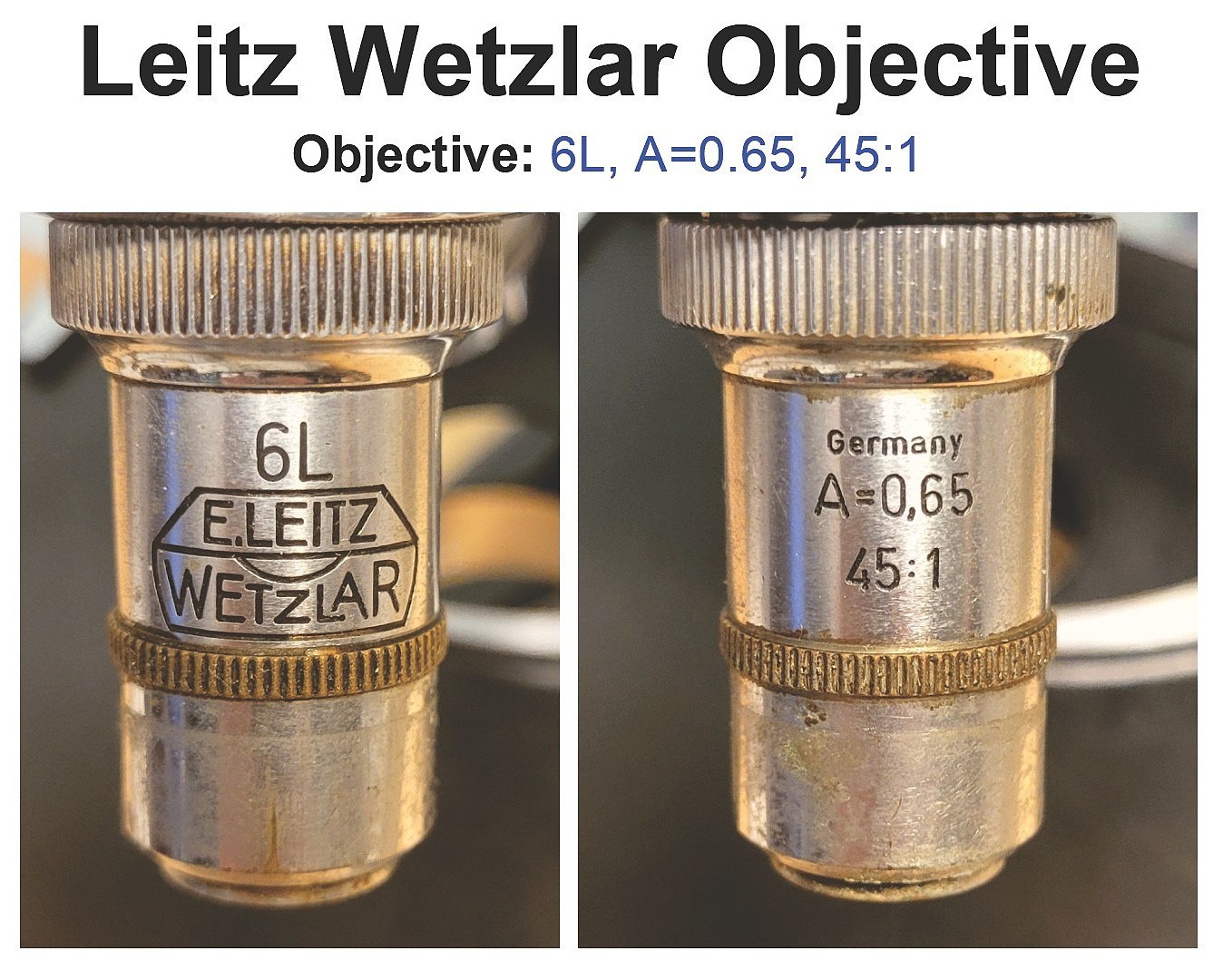
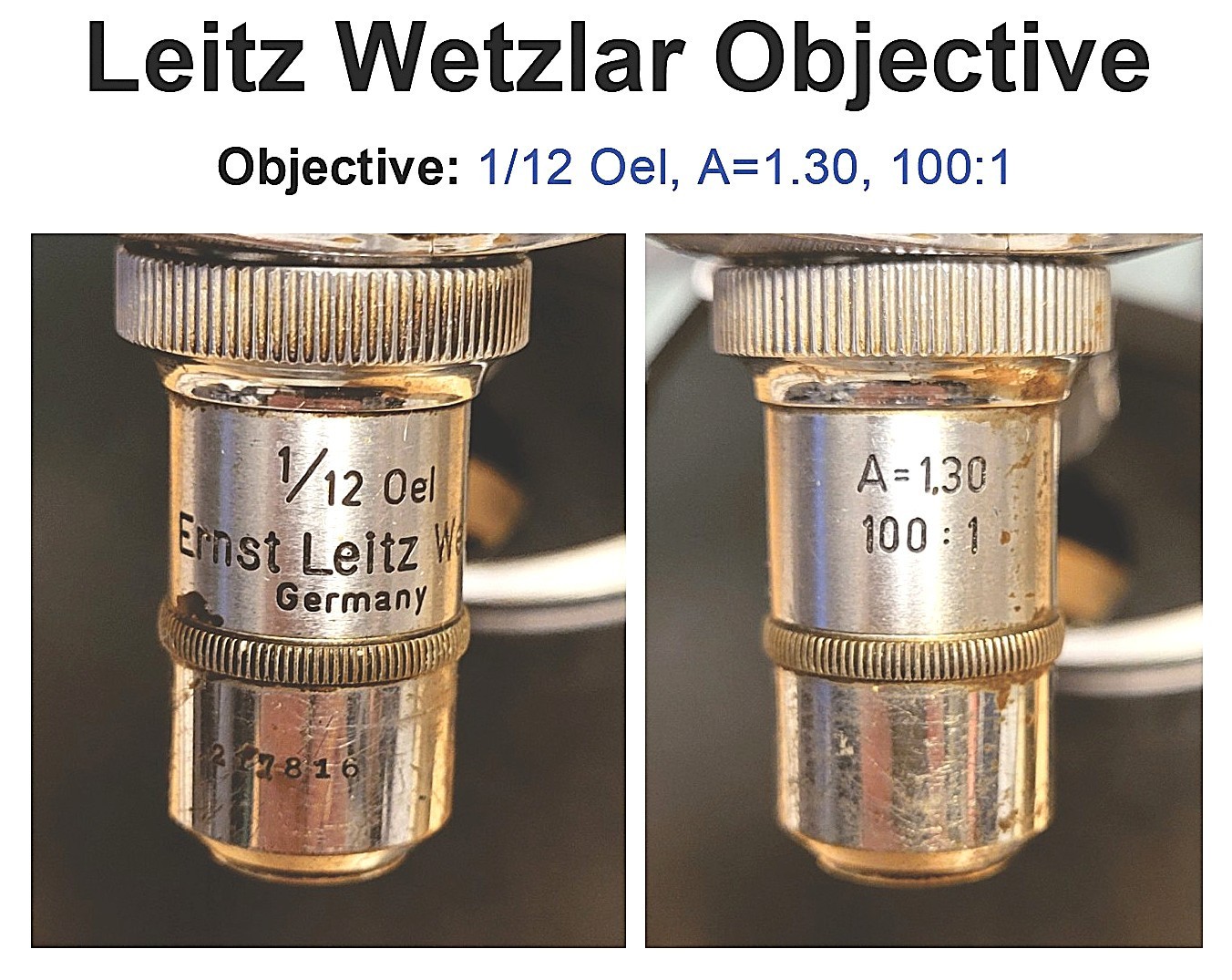
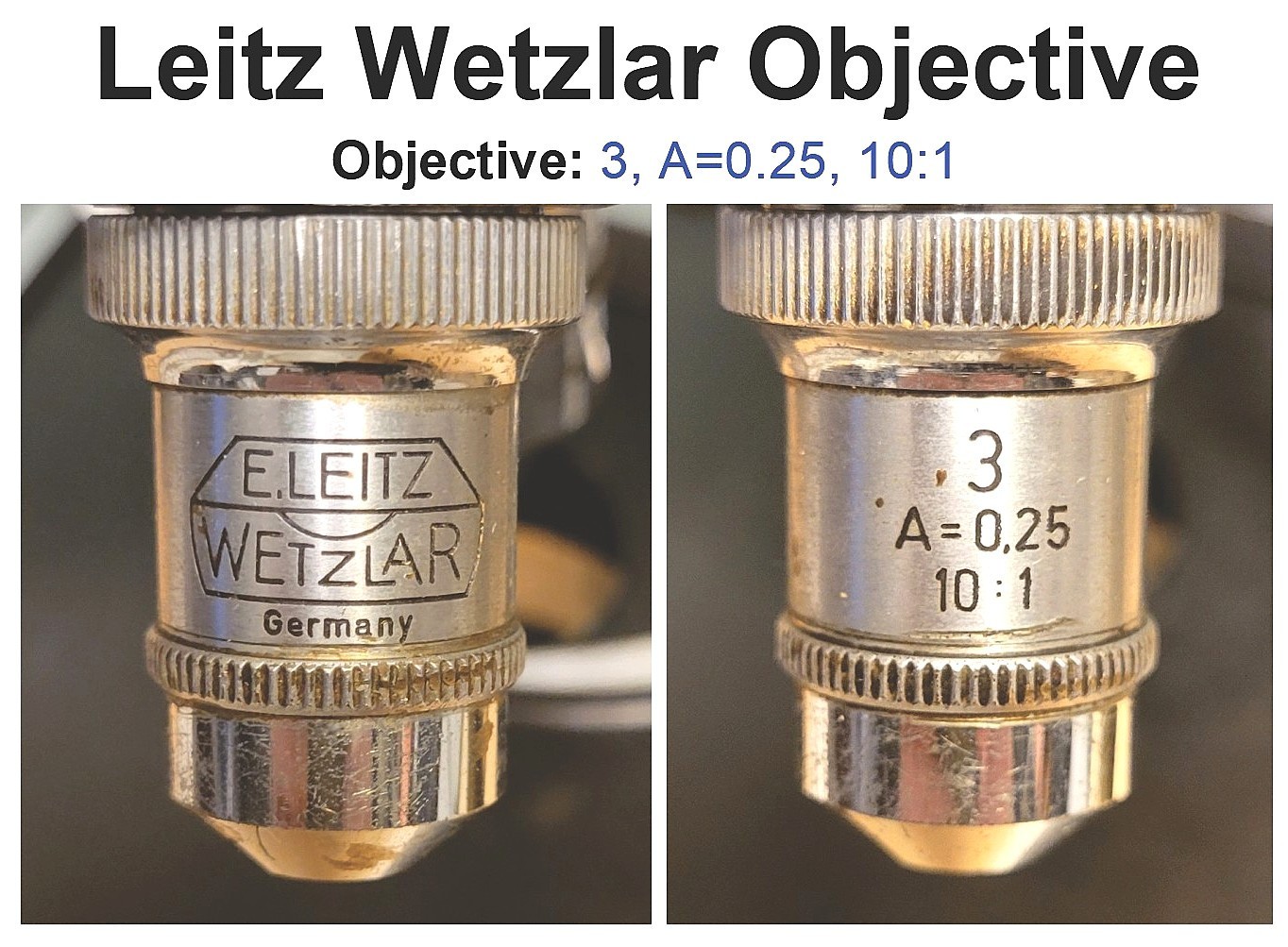
The instrument retains three original objectives, all marked Ernst Leitz Wetzlar: 1/12 Oel, A=1.30, 100:1; 6L, A=0.65, 45:1; and 3, A=0.25, 10:1, with an unbranded eyepiece 6. It follows the 170mm finite tube length standard of the pre-DIN period. The configuration comprises a monocular inclined body tube and stage, triple revolving nosepiece, coarse and fine focus, fixed stage with clip, under-stage view, and the classic horseshoe base.
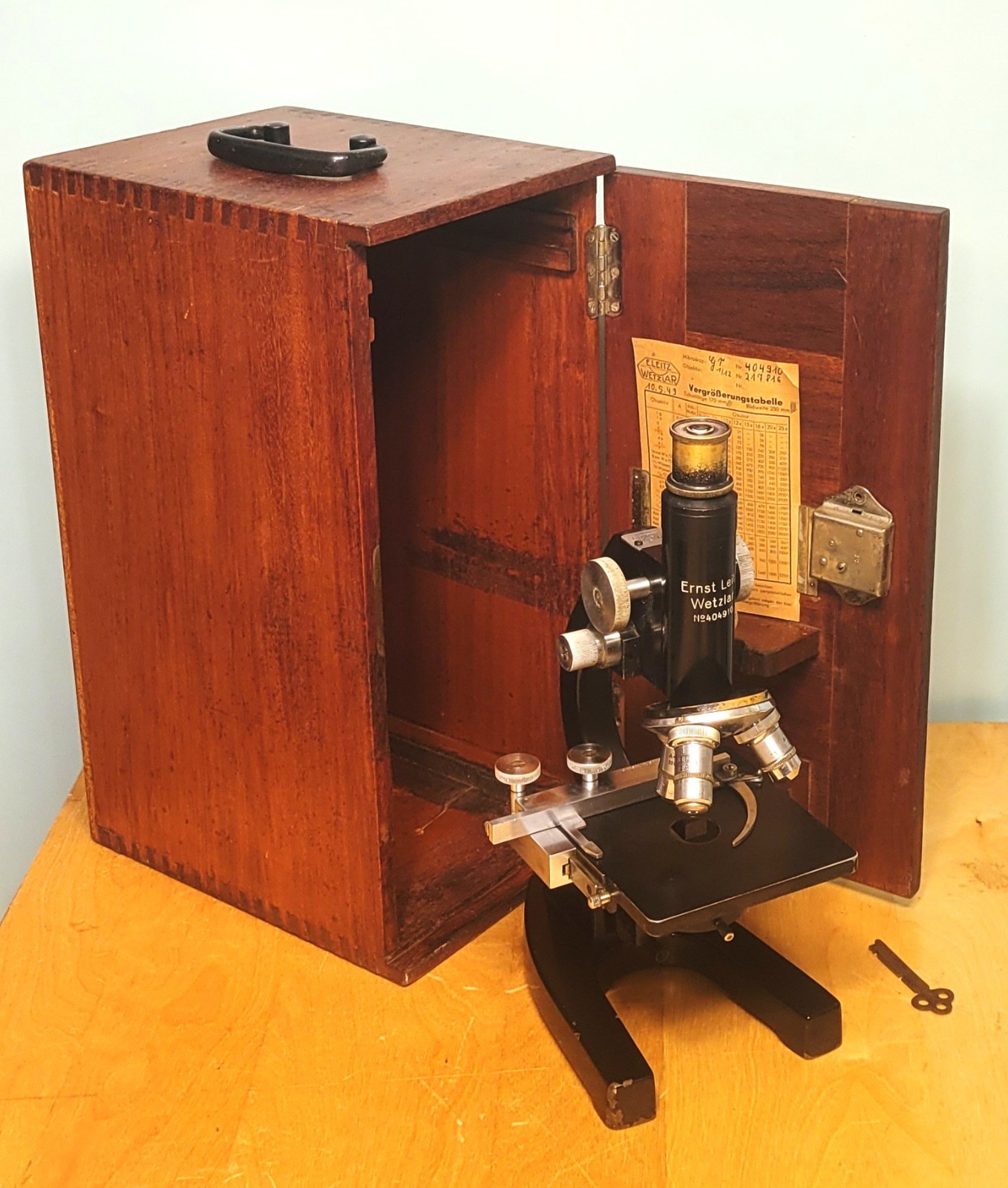
The original magnification reference card is included, along with a sturdy fitted mahogany case with lock and key. This is an authentic laboratory instrument rather than a decorative replica; it has not been laboratory certified or professionally calibrated, and is offered as a vintage scientific instrument suited to display, collection, restoration, or teaching.
Photographs
Details
| Maker | Ernst Leitz Wetzlar, Germany |
| Model | GT |
| Serial Number | 404910 |
| Period | Circa 1949 |
| Objectives | 1/12 Oel A=1.30 100:1; 6L A=0.65 45:1; 3 A=0.25 10:1 |
| Eyepiece | 6, unbranded |
| Optical Standard | 170mm finite tube length (pre-DIN) |
| Case | Original fitted mahogany case with lock and key |
| Reference | eBay item 277763895422 |
Condition
Shows use, with the original black enamel finish carrying age-appropriate wear. Nickel and chrome components are present, mechanicals appear intact, and the structure is solid. Optics are eye clean but have not been professionally bench tested; the instrument has not been calibrated.
More from Cameras & Instruments
Fil Caravan · Art & Antiques, New York · inquiries@filcaravan.com
eBay item 277763895422 · https://www.ebay.com/itm/277763895422
https://filcaravan.com/listings/277763895422.html