 Fil Caravan
Ceramics & Porcelain
Hexagonal Turquoise-Glazed Kütahya Tile
Monochrome glazed earthenware tile · Kütahya, Anatolia · 1930s
US $175.00 · or best offer
Description
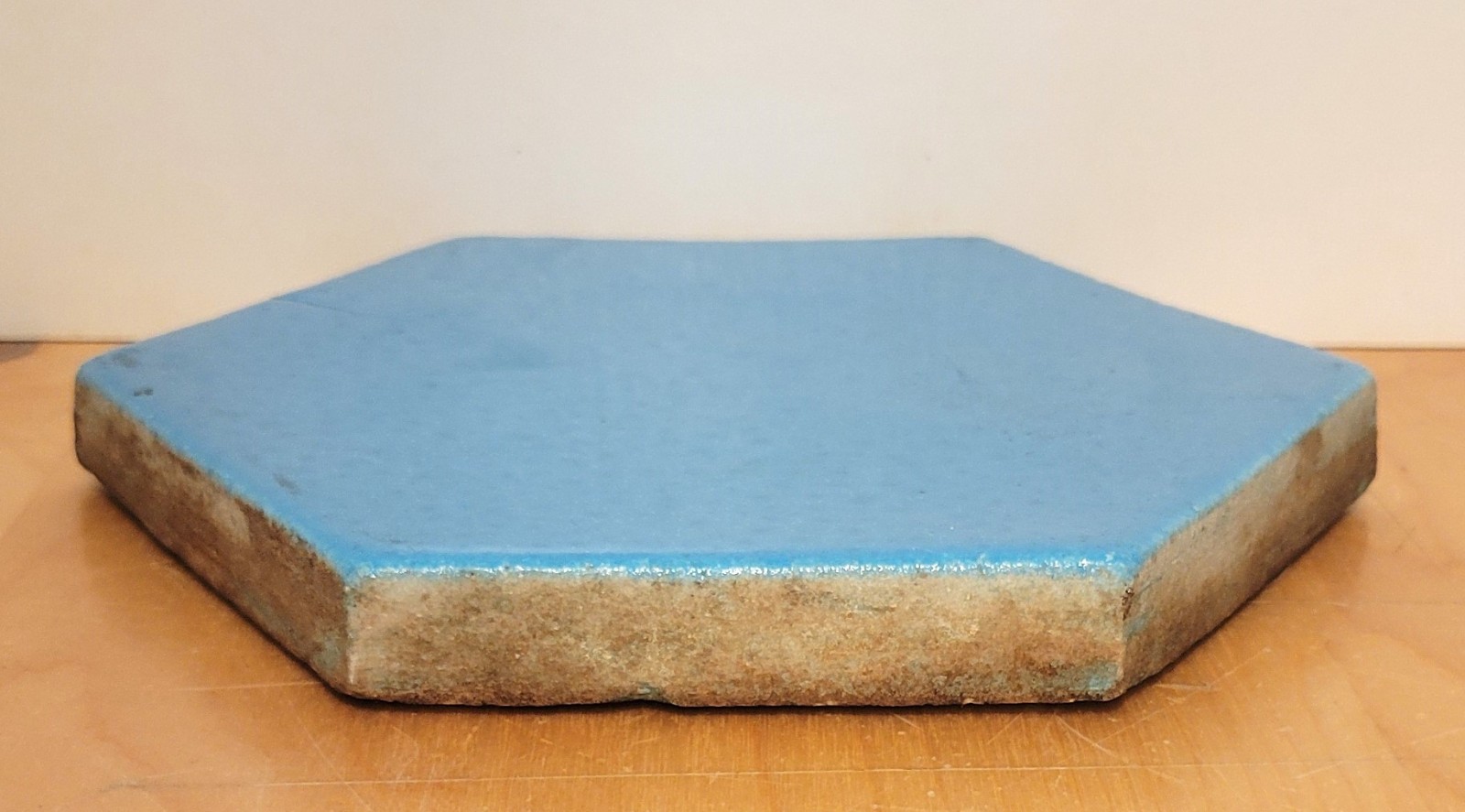
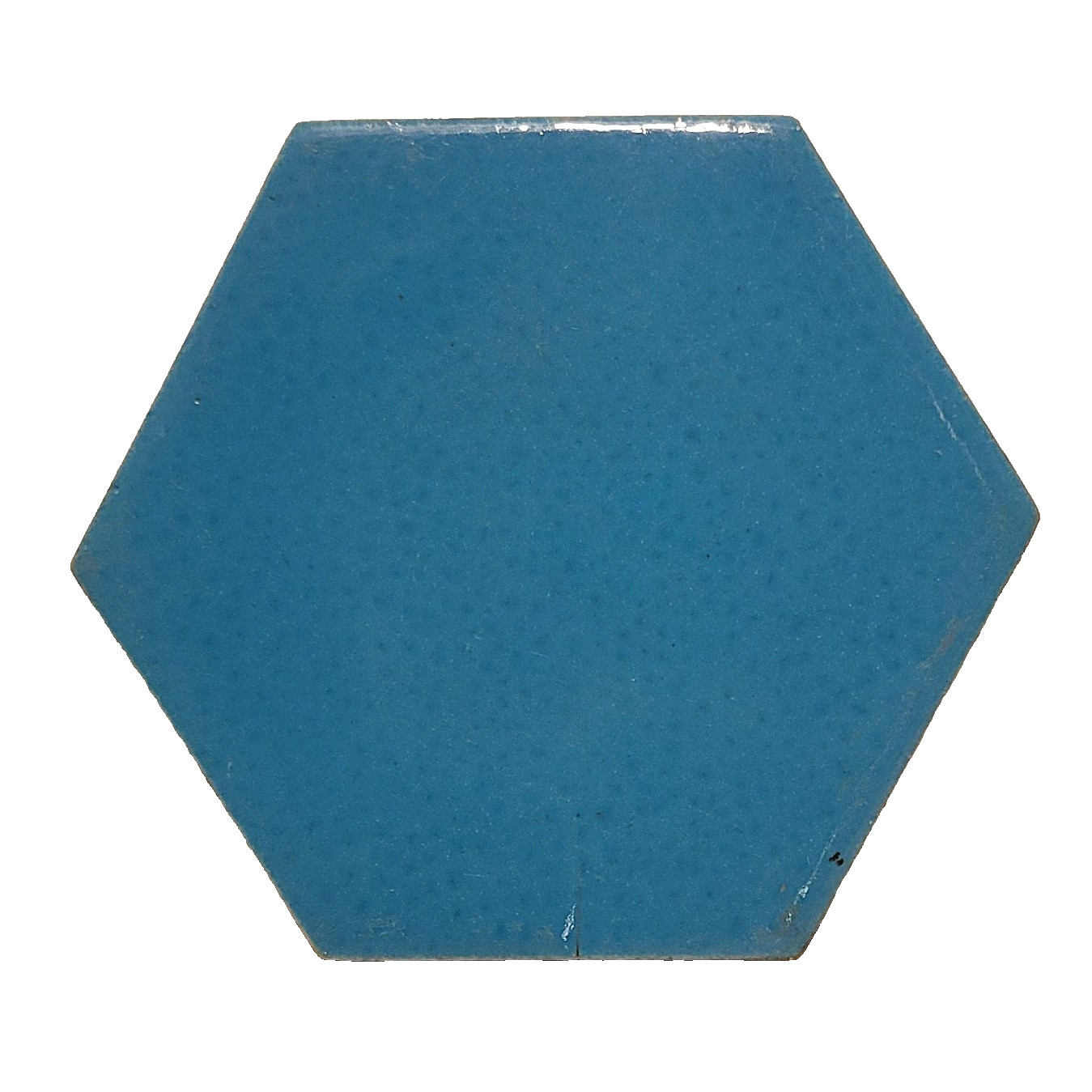
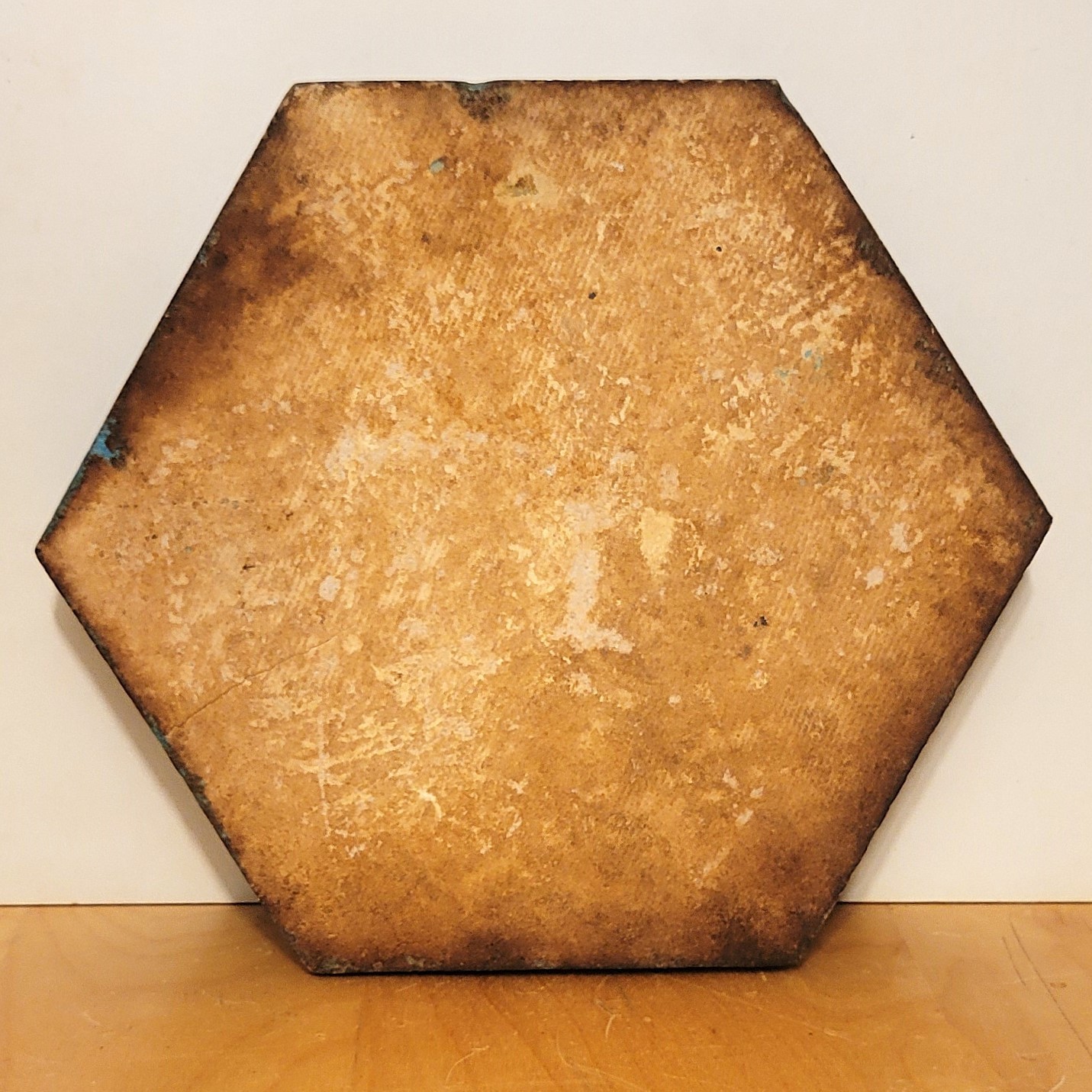
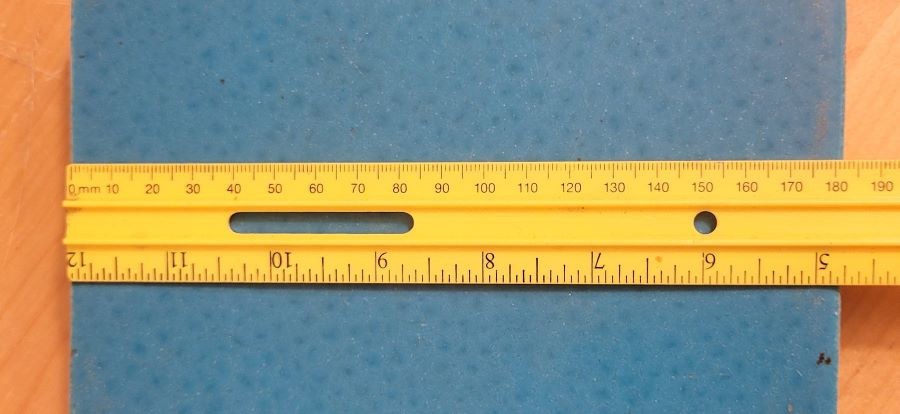
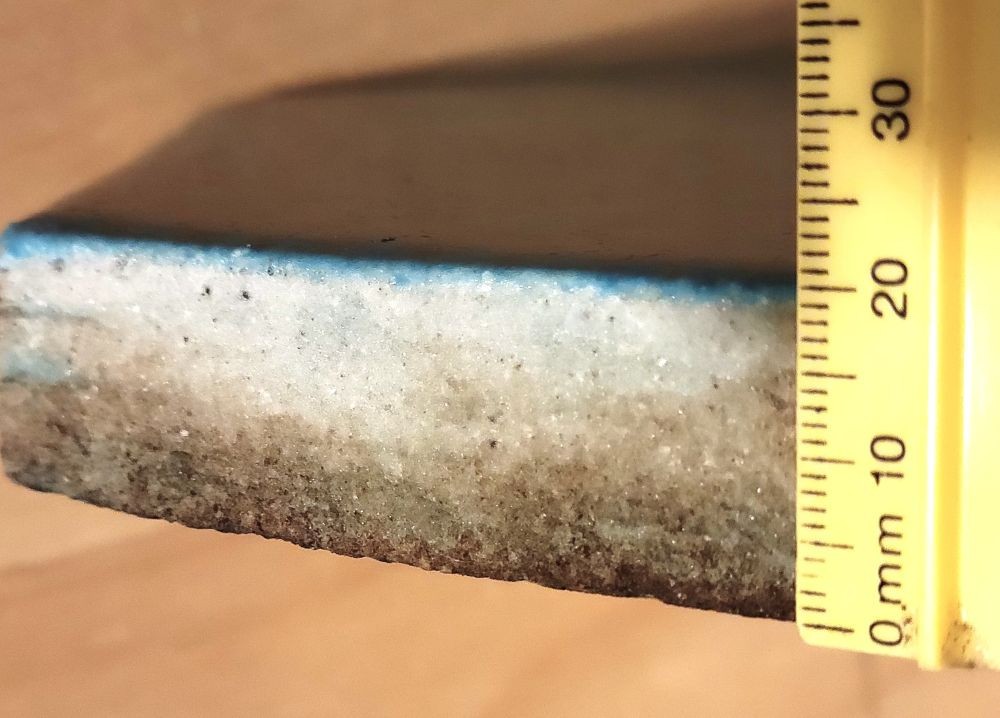
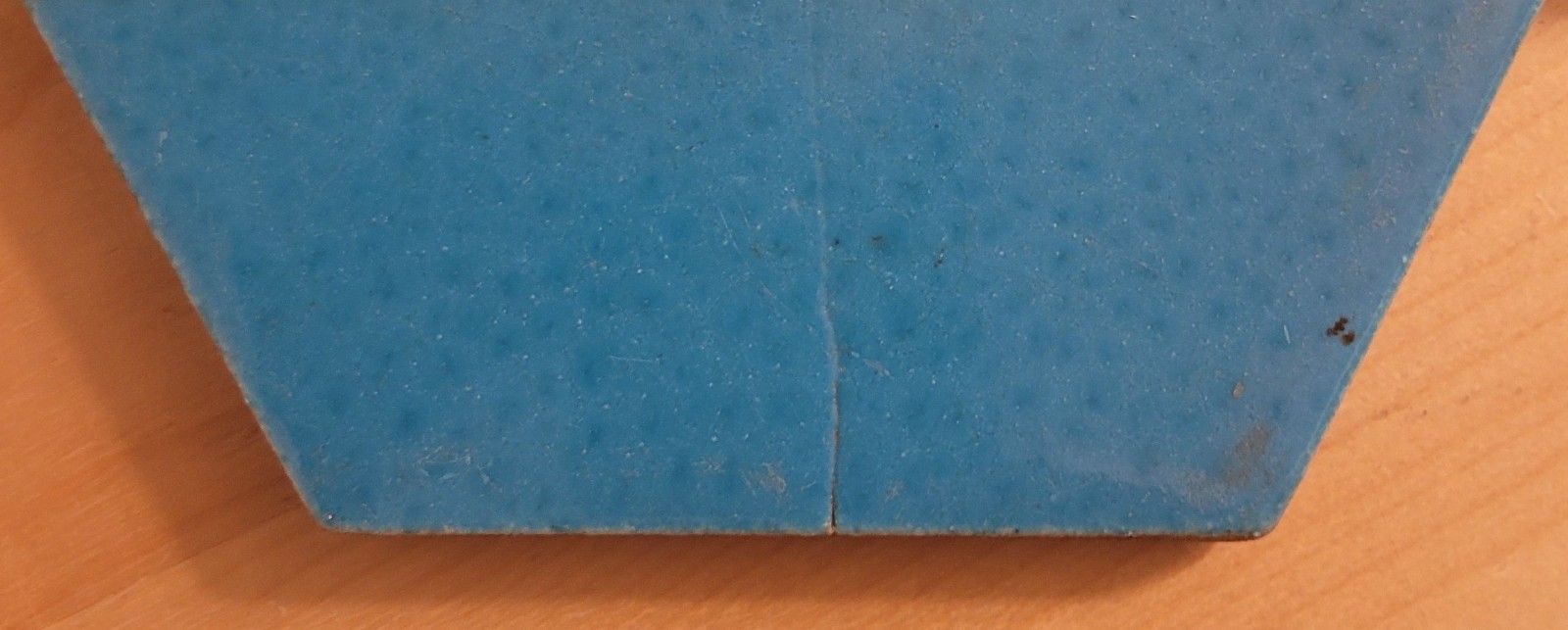
A hexagonal architectural tile from the kiln centers of Kütahya, Anatolia, dating to the 1930s. A thick monochrome turquoise copper-oxide glaze pools over a hand-pressed, high-silica earthenware body, running down over the peripheral edges. The reverse remains raw biscuit, with kiln marks and no trace of mortar, the tile was never set into a wall.
During the state restoration campaigns of the 1930s, Kütahya workshops were charged with producing replacement tiles for classical monuments across Anatolia, among them the fifteenth-century Yeşil Türbe (the Green Tomb) in Bursa. Matching the depth and thermal behavior of early Ottoman monochrome glazes demanded repeated batch testing, and the weight, hand-pressed substrate and unmounted state of this piece are consistent with an archival workshop trial or firing-control specimen.
For analysis of monochrome glaze formulations and twentieth-century Kütahya workshop history, see John Carswell, Kütahya Tiles and Pottery (Oxford University Press, 1972).
Photographs
Details
| Origin | Kütahya, Anatolia |
| Period | 1930s |
| Material | High-silica light earthenware clay body |
| Glaze | Monochrome turquoise copper oxide |
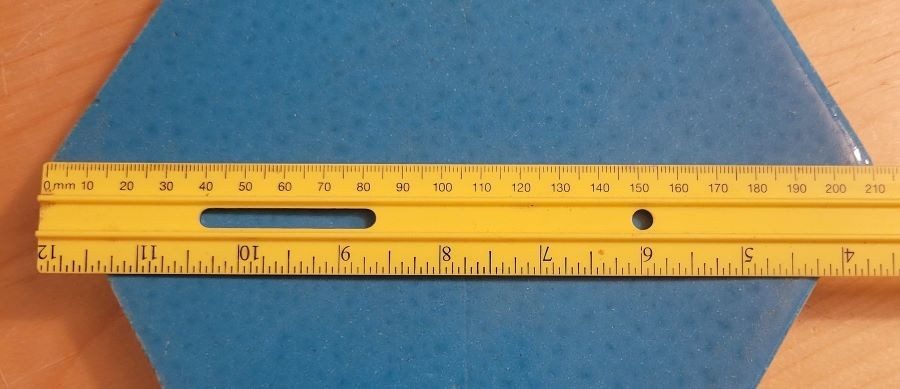
| Width (point to point) | Approx. 8.3 in (21 cm) |
| Width (flat to flat) | Approx. 7.2 in (18.2 cm) |
| Thickness | Approx. 0.8 in (2 cm) |
| Weight | 2 lb 11 oz (1.2 kg) |
| Reference | eBay item 278160438365 |
Condition
Original workshop condition, with no modern restoration, fills, or over-glazing. The face carries a natural craquelure network and a stable production kiln crack running in from one edge; the turquoise glaze flowed into the fissure during firing, indicating an in-kiln event rather than later damage. The earthenware body is structurally sound.
Fil Caravan · Art & Antiques, New York · inquiries@filcaravan.com
eBay item 278160438365 · https://www.ebay.com/itm/278160438365
https://filcaravan.com/listings/278160438365.html